












Essential Guide to Selecting the Most Effective Herbs for Herbal Syrups to Alleviate Cold Symptoms
Top UK Herbs Renowned for Their Efficacy Against Colds

Crafting herbal syrups for colds involves utilising the rich diversity of flora found in the United Kingdom, where numerous herbs exhibit impressive properties that can effectively combat cold symptoms. For example, elderberry is widely celebrated for its capacity to shorten the duration and intensity of cold symptoms. Bursting with antioxidants, this remarkable herb strengthens the immune system, providing soothing relief to the respiratory tract. In addition, thyme is noted for its powerful antiseptic effects and is frequently employed to ease coughs, thus becoming a staple in households across the UK. Moreover, Echinacea is highly esteemed for enhancing the body’s immune response, making it a stellar inclusion in any herbal syrup formulation.
For those keen to craft herbal syrups for colds, gaining an in-depth understanding of the benefits these herbs offer is crucial. Elderflower, often found in elderberry preparations, is recognised for its diaphoretic properties, promoting perspiration and alleviating fevers linked to colds. While thyme is easily accessible in most home gardens, it can also be foraged from the wild, providing a convenient option for those passionate about exploring local landscapes and enhancing their herbal knowledge.
Locating Fresh and Quality Herbs in Your Local Area
Discovering fresh or dried herbs in the UK can be a profoundly enriching and fulfilling endeavour. Local markets, particularly those that focus on organic produce, often boast a diverse array of herbs ideal for crafting herbal syrups for colds. Shops dedicated to herbal remedies or natural health stores typically stock high-quality dried herbs, which preserve their potency and flavour, ensuring that your syrups are not only effective but also delicious.
Foraging for herbs like thyme and wild garlic in the countryside is a joyful experience for many enthusiasts, fostering a tangible connection to the land and its natural bounty. Additionally, the advent of online platforms has transformed the way people source herbs, with numerous vendors now offering organic and sustainably harvested products. Supporting local growers not only boosts community economies but also guarantees that your herbs are fresh and of the finest quality, significantly enhancing your syrup-making experience.
Diving into the Distinctive Properties of Key Herbs
A comprehensive understanding of herbal remedies hinges on recognising their distinctive properties. Elderberry, in particular, is noted for its ability to inhibit viral replication, making it especially beneficial during the cold and flu seasons. Numerous studies have indicated that elderberry extracts can significantly reduce the duration of cold symptoms, positioning them as a popular choice among herbalists and advocates of natural health.
Conversely, thyme is acclaimed for its strong antimicrobial properties, which render it effective against various pathogens that can worsen cold symptoms. Its active compounds, such as thymol, are recognised for supporting respiratory health by aiding in the clearance of congestion. By understanding these fundamental properties, individuals can make informed choices when crafting herbal syrups for colds, ensuring that the selected herbs will provide the relief they seek. Furthermore, Echinacea is revered for its immune-stimulating capabilities, with research suggesting that it may reduce the risk of developing colds when taken proactively. This knowledge empowers individuals to create effective remedies tailored to their health needs.
Step-by-Step Guide to Crafting Effective Herbal Remedies at Home

Preparing herbal remedies within the comfort of your own home can be straightforward and incredibly rewarding. Crafting herbal syrups involves a few uncomplicated techniques. One effective method is brewing herbal teas by steeping your selected herbs in hot water, allowing their beneficial compounds to infuse into the liquid. This infusion can then be sweetened with natural ingredients such as honey or maple syrup, creating a soothing syrup that is both palatable and therapeutic.
For those seeking a more concentrated remedy, tinctures can be prepared by soaking herbs in alcohol or vinegar. This method extracts a broader spectrum of compounds, resulting in a potent option for alleviating cold symptoms. By mastering these preparation techniques, anyone can successfully craft herbal syrups for colds, providing themselves and their loved ones with natural relief while enhancing overall wellness.
Building the Essential Foundation Syrup for Herbal Remedies
Selecting the Best Sweetener for Your Herbal Syrup
The choice of sweetener is a vital consideration when crafting herbal syrups for colds. Honey, particularly local varieties, is often hailed as the optimal choice due to its natural antibacterial properties and soothing effects on the throat. Raw honey, in particular, retains a higher concentration of beneficial compounds, making it a superior selection for syrup formulations.
Alternatively, maple syrup serves as an excellent vegan option. It introduces a distinctive flavour to syrups while providing essential minerals and being easier to digest than refined sugars. When selecting a sweetener, it is crucial to consider personal taste preferences and any dietary restrictions to ensure that the final product is both effective and enjoyable for all consumers.
Experimenting with various sweeteners can lead to unique flavour profiles in your syrups, allowing for creativity in the kitchen while preserving the health benefits of herbal remedies. Using sweeteners judiciously can enhance the efficacy of the herbs, resulting in a delightful remedy that appeals to individuals of all ages, making the consumption experience both enjoyable and beneficial.
Mastering Boiling and Simmering Techniques for Optimal Herbal Extraction
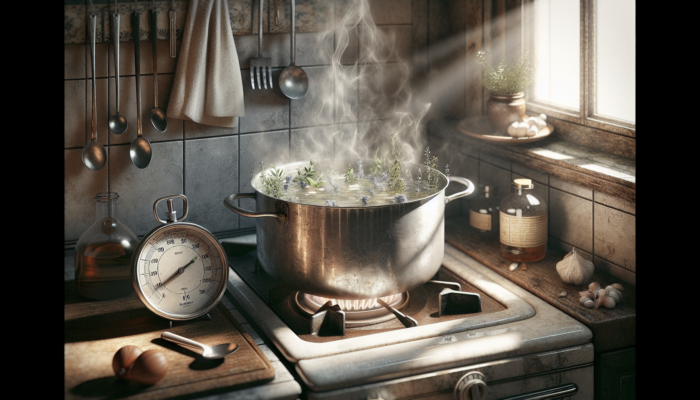
Mastering boiling and simmering techniques is fundamental for extracting the maximum benefits from your chosen herbs. Begin by bringing fresh water to a boil before adding the herbs, allowing the temperature to decrease slightly to achieve a gentle simmer. This careful approach preserves the delicate flavours and medicinal properties of the herbs, ensuring that your syrup remains potent.
As a general guideline, it is advisable to simmer the herbal mixture for approximately 30 minutes, stirring occasionally to promote the infusion process. This technique guarantees that the beneficial compounds are thoroughly released into the syrup, resulting in a potent remedy that can effectively alleviate cold symptoms. Paying close attention to detail—such as monitoring temperature and simmering duration—is critical for creating a successful and effective syrup.
Once the simmering phase is complete, the mixture must be strained to remove the herbs, resulting in a smooth syrup that can subsequently be sweetened and stored. Mastering these techniques will enhance your ability to create effective homemade remedies, ensuring they stand out in terms of flavour and health benefits.
Perfecting the Texture and Consistency of Your Herbal Syrup
Achieving the ideal syrup consistency is a delicate balance between thickness and pourability, crucial for both taste and medicinal effectiveness. To attain the desired texture, one must carefully consider the ratio of liquid to sweetener. A good starting point is to utilise a 1:1 ratio of herbal infusion to sweetener, adjusting based on personal preference and the specific characteristics of the herbs used.
Cooking the syrup for an extended period can also contribute to thickening; however, caution must be exercised to avoid overcooking, as this may adversely affect the flavour. A simple yet effective test for determining the right consistency involves dipping a spoon into the syrup; if it coats the back of the spoon, you are likely within the appropriate range.
Experimenting with various cooking times and ratios allows for a tailored syrup that meets individual tastes and health needs. Achieving the perfect consistency not only enhances the enjoyment of the syrup but also ensures its efficacy in alleviating cold symptoms, making it a valuable addition to your natural medicine cabinet.
Infusing Herbs into Your Syrup: Techniques for Maximum Benefit
Implementing Cold Infusion Methods for Gentle Extraction
Cold infusion is a gentle method that facilitates the extraction of herbal essences without the risk of degrading the delicate compounds present in the herbs. This technique involves placing the chosen herbs in cold water and allowing them to steep for several hours or overnight, resulting in a soothing herbal infusion.
A popular technique in the UK involves gradually filling a jar with herbs and cold water and refrigerating it to extract flavours and beneficial properties. This method is especially advantageous for herbs like chamomile or lemon verbena, which release their properties gently without the application of heat. The outcome is a refreshing herbal infusion that can be sweetened to create a delightful syrup.
Cold-infused syrups often exhibit a different flavour profile than their hot-infused counterparts, offering a unique tasting experience. The subtlety of the flavours can be particularly enjoyable when paired with citrus or spices, inviting creativity in flavour combinations. This method is ideal for those seeking a delicate and refreshing syrup that can be enjoyed throughout the day.
Utilising Hot Infusion Techniques for Rapid and Effective Extraction
Hot infusion techniques provide a rapid and effective means of extracting the beneficial properties of herbs. This method involves bringing water to a boil before adding the herbs, allowing for maximum extraction of flavours and nutrients, resulting in a concentrated herbal infusion.
A common practice is to simmer the mixture for 30 to 40 minutes, enabling the water to fully absorb the herbal qualities. Straining the mixture afterwards yields a potent herbal infusion, which can then be sweetened to form a syrup. This approach is particularly useful when time is of the essence, allowing for swift preparation without compromising potency.
Hot infusions are highly adaptable, inviting experimentation with various herbs and additional ingredients. The quick extraction process makes it ideal for those looking to craft herbal syrups for colds on the go, providing essential relief when it is needed most.
Achieving Harmony Between Flavour and Potency in Your Syrups
Striking the right balance between flavour and potency is vital for creating an enjoyable syrup that effectively alleviates cold symptoms. Selecting herbs that complement one another can enhance both taste and health benefits. For instance, pairing thyme with lemon can create a refreshing and zesty flavour profile while amplifying the medicinal properties of both ingredients.
Adjusting the quantity of sweetener also plays a crucial role in achieving this balance. Excessive sweetness may mask the herbal flavours, while too little can lead to an unpleasant taste. The key is to taste and adjust throughout the syrup-making process, ensuring that the flavour and medicinal qualities are on point and satisfying.
Moreover, considering individual preferences is essential; some may prefer a spicier syrup, while others may favour a more subtle approach. Encouraging experimentation allows for a personalised syrup that meets diverse taste preferences while effectively relieving cold symptoms.
Incorporating Complementary Ingredients into Your Herbal Syrups for Enhanced Benefits
Boosting Your Syrup with Citrus Fruits for Added Nutritional Value
Incorporating citrus fruits, such as lemons and oranges, into your herbal syrups for colds not only enhances the flavour profile with their bright, zesty notes but also provides a natural source of vitamin C, which is essential for bolstering the immune system.
Add freshly squeezed juice or zest from citrus fruits to the herbal infusion when preparing your herbal syrups. This method amplifies the syrup's flavour while enriching its nutritional content. The acidic nature of citrus can help balance the sweetness of the syrup, resulting in a harmonious blend that is both delicious and beneficial for overall health.
Given the abundance of citrus fruits available year-round in the UK, incorporating these ingredients into your syrups can lead to delightful variations that appeal to the palate. Additionally, the vibrant colours of citrus fruits can make your syrups visually enticing, enhancing the overall experience for family and friends when serving them.
Utilising Spices for Enhanced Flavour and Additional Health Benefits
Integrating spices into your herbal syrups can significantly elevate their flavour while providing additional health benefits. Ginger is a particularly powerful addition, renowned for its anti-inflammatory properties and ability to soothe a sore throat. Its warm, spicy flavour beautifully complements many herbs, making it a versatile ingredient in syrup formulations.
Cinnamon is another excellent choice, frequently used for its warming properties and its ability to support the immune system. The aromatic qualities of cinnamon can enhance the overall sensory experience of your syrup, making it more enjoyable to consume while providing extra therapeutic benefits.
When adding spices, it is advisable to start with small amounts initially, gradually increasing to suit your taste preferences. The goal is to create a syrup that is not only effective in alleviating cold symptoms but also enjoyable to consume, encouraging regular use during cold and flu seasons.
Enhancing Your Syrup with Essential Oils for Maximum Effectiveness
Essential oils can introduce a powerful dimension to your herbal syrups, offering concentrated benefits that beautifully complement the herbs being used. Oils such as eucalyptus and peppermint are particularly effective for alleviating respiratory symptoms associated with colds, enhancing the overall therapeutic properties of your syrup.
When incorporating essential oils, it is paramount to use food-grade oils, ensuring their safety for consumption. Just a few drops can significantly enhance your syrup's flavour and therapeutic properties, making it even more effective.
The refreshing, minty aroma of peppermint can provide a comforting sensation, while eucalyptus oil is renowned for clearing congested airways. These oils can transform a simple herbal syrup into a potent remedy for cold symptoms, making them an invaluable addition to your syrup-making repertoire.
Strategies for Effective Storage and Preservation of Your Herbal Syrups
Choosing the Right Containers for Storing Your Herbal Syrups
Proper storage of herbal syrups for colds is essential for maintaining their freshness and potency. Selecting the right containers is the first critical step, with glass jars or bottles being ideal due to their non-reactive nature and ability to preserve the quality of the syrup.
Opting for dark glass containers can further protect the syrup from light exposure, which can degrade its quality over time. Ensure that any container is meticulously cleaned and sterilised before use to prevent contamination, which could lead to spoilage and compromise the syrup's effectiveness.
Consider using smaller containers for easier access and quicker consumption, ensuring that the syrup remains fresh for longer. Adhering to proper storage practices is vital in preserving the flavours and medicinal qualities of your syrups, allowing you to enjoy their benefits throughout the cold season and beyond.
Employing Refrigeration and Freezing Techniques for Extended Shelf Life
Refrigeration is essential for extending the shelf life of your herbal syrups. Most syrups can be stored in the fridge for several weeks, but for longer preservation, consider freezing them in ice cube trays. This method allows for portion control and easy access, enabling you to thaw only what you need when cold symptoms arise.
When freezing, ensure that the syrup is completely cooled before pouring it into containers. Leave some space at the top of the containers, as liquids tend to expand when frozen. Once frozen, transfer the cubes to a labelled airtight bag or container for easy identification and accessibility.
This freezing method preserves the syrup's taste while guaranteeing that you have a ready supply of remedies on hand for when cold symptoms emerge, making it a practical solution for anyone interested in crafting herbal syrups for colds.
Implementing Labelling and Dating Practices for Safety and Quality Control
Labelling and dating your syrups is not merely a best practice; it is imperative for ensuring safety and freshness. Each container should clearly indicate the syrup's name, its date of preparation, and any key ingredients. This information assists in tracking usage and ensures that you consume the syrup within its optimal timeframe.
Utilising waterproof labels can prevent information from smudging or fading over time, maintaining clarity for future reference. Additionally, consider incorporating a “use by” date that reflects the expected shelf life of the syrup based on its ingredients and storage conditions.
Proper labelling not only helps maintain quality but also prevents the accidental consumption of expired products, ensuring that you can rely on your homemade remedies when they are most needed.
Mastering Sterilisation Techniques for Optimal Preservation of Your Syrups
Sterilisation is a fundamental step in preparing herbal syrups, vital for preventing spoilage and preserving quality. Several effective methods exist to sterilise both the containers and the syrup. A common technique involves boiling glass jars and lids in water for at least 10 minutes, ensuring that all surfaces are thoroughly cleansed and free from contaminants.
Alternatively, running jars through a dishwasher on a hot cycle can effectively sterilise them as well. Once the jars have been sterilised, allow them to cool before filling them with syrup, as pouring hot syrup into cool containers can lead to cracking or breakage.
Understanding and implementing sterilisation techniques will ensure that your herbal syrups for colds remain potent and safe for consumption, providing peace of mind as you enjoy the fruits of your labour.
Guidelines for Dosage and Safe Administration of Herbal Syrups
Calculating the Appropriate Dosage for Different Age Groups
Determining the correct dosage of your herbal syrups is paramount, especially when considering the various age groups. For adults, a standard dosage may range from one to two tablespoons per day, depending on the syrup's strength and the severity of the symptoms being treated.
For children, the dosage should be adjusted downwards, typically to one teaspoon for those aged 6 to 12 and to half a teaspoon for younger children. It is always advisable to consult with a healthcare professional to ensure that the dosages are safe and suitable for each individual's needs.
Monitoring the response to the syrup is equally essential; if symptoms worsen or fail to improve, it is prudent to reassess the dosage or seek medical advice. Understanding the nuances of dosage will enhance the effectiveness of your homemade remedies, ensuring they serve their intended purpose in alleviating cold symptoms.
Ensuring Safe Administration of Herbal Syrups
When administering herbal syrups, safety should always be the priority. To prevent accidental ingestion, syrups must be stored in a secure location, out of reach of children. Using a measuring spoon to dispense the syrup helps ensure consistent dosing, reducing the likelihood of excessive amounts being taken.
Individuals with allergies or underlying health conditions should exercise caution and consult with a healthcare provider before using herbal remedies. Additionally, pregnant or breastfeeding women are advised to seek professional guidance, as some herbs may not be suitable during these periods.
Understanding safe administration practices will help maximise the benefits of your crafted syrups while minimising risks, allowing individuals to enjoy the natural relief they offer without safety concerns.
Monitoring the Effectiveness of Your Herbal Syrups for Optimal Results
Monitoring the effectiveness of your herbal syrups is crucial for assessing their impact on symptom relief. Keeping a simple health journal can help you track the onset of symptoms, the dosage taken, and any changes observed over time. This practice can yield valuable insights into how well the syrup works and inform any necessary adjustments to the formulation or dosage.
If symptoms persist or worsen, it is essential to seek medical advice rather than relying solely on home remedies. Herbal syrups are designed to complement conventional treatments and should not replace professional medical care, ensuring a comprehensive approach to health.
By observing and documenting responses to herbal syrups, you can refine your approach and ensure that your crafted remedies provide the intended relief and support during cold seasons and beyond.
Adjusting Dosage for Individuals with Special Health Conditions
Modifying syrup dosages for individuals with specific health conditions is vital for safety and efficacy. For instance, those with diabetes should consider using lower amounts of sweeteners or opting for sugar-free alternatives to manage their sugar intake effectively. Individuals with respiratory issues may require different herbs or doses, depending on their health status and any concurrent treatments they receive.
Consulting with a healthcare professional is highly recommended when adjusting dosages, especially for those on medication, as certain herbs can interact with pharmaceutical treatments. Understanding how to tailor dosages ensures that herbal syrups remain effective and safe for all intended users, promoting optimal health outcomes.
Staying informed and proactive in adjusting dosages is crucial in maximising the benefits of your crafting herbal syrups for colds journey, allowing for personalised remedies that meet diverse health needs and preferences.
Storing Herbal Syrups Correctly for Longevity and Quality
Properly storing herbal syrups is fundamental to maintaining their efficacy over time. Keeping syrups in a cool, dark place, such as a pantry or refrigerator, significantly extends their shelf life. To ensure quality when storing syrups, always check for signs of spoilage, such as changes in colour, odour, or taste.
Utilising labelled containers with clear expiry dates helps prevent accidental consumption of old syrups, ensuring that you always use fresh and effective remedies. Regularly rotating your stock ensures that older syrups are consumed first, thereby reducing waste and maximising the utility of your crafted syrups throughout the year.
By adhering to best storage practices, you can fully enjoy the benefits of your homemade herbal syrups for colds throughout the year, ensuring that they remain effective and safe for consumption at all times.
Common Questions Regarding Herbal Syrups and Their Uses
Which herbs are most effective for creating syrups to alleviate cold symptoms?
Particularly effective common herbs include elderberry, thyme, and Echinacea. These herbs are renowned for their cold-fighting properties and are readily accessible in the UK.
How can I determine if my herbal syrup is still safe to use?
To assess the quality of your syrup, check for any changes in colour, odour, or taste. If there are any signs of spoilage, it is best to discard the syrup to ensure safety.
Are herbal syrups safe for children to consume?
Yes, herbal syrups can be safe for children; however, dosages must be adjusted according to age. It is always advisable to consult a healthcare provider for specific recommendations tailored to children.
What is the typical shelf life of homemade herbal syrups?
When stored in the refrigerator, homemade herbal syrups usually last several weeks. For longer preservation, consider freezing them to extend their usability.
What types of sweeteners can be used in herbal syrups?
Honey and maple syrup are popular sweeteners for herbal syrups. Choose sweeteners based on your taste preferences, dietary restrictions, and desired health benefits.
Is it safe to forage for herbs in the wild?
Yes, foraging can be safe, provided you have proper knowledge of herb identification and understand local regulations. Some plants may be toxic, so thorough knowledge is essential for safe foraging practices.
Can dried herbs be used to craft syrups?
Absolutely! Dried herbs can be just as effective as fresh ones and are often more convenient, making them an excellent option for syrup-making.
How should I adjust dosages for individuals with specific health conditions?
It is advisable to consult with a healthcare professional to determine appropriate dosages, especially for individuals with specific health issues or those on medication, as certain herbs may interact with pharmaceutical treatments.
What is the process of cold infusion?
Cold infusion is a method that involves steeping herbs in cold water for several hours. This allows delicate flavours and beneficial properties to be extracted without the application of heat.
Can I enhance my herbal syrup with spices?
Yes, spices such as ginger and cinnamon can significantly enhance your herbal syrups' flavour and health benefits, making them even more enjoyable and effective.
Connect with us on Facebook!
The Article: Crafting Herbal Syrups for Colds: A Winter Wellness Guide appeared first on https://mcrtherapies.co.uk


This guide offers valuable insights into herbal remedies for cold relief, particularly highlighting the UK’s rich herbal landscape. I’ve found elderberry particularly fascinating, not just for its immune-boosting properties, but also for the cultural traditions surrounding its use in folk medicine. Additionally, the connection between thyme’s antiseptic qualities and its culinary applications makes it a versatile choice for families looking to integrate natural remedies into daily life.
I really appreciate your thoughts on the guide; it’s always exciting to hear how others connect with the themes of herbal remedies and their cultural significance. Elderberry does have such a rich history, doesn’t it? Beyond its impressive immune-boosting qualities, it’s fascinating how it has woven itself into our folklore and traditions. Many cultures have their own stories and rituals surrounding elderberry, often seeing it as a protective charm or a remedy passed down through generations. It’s almost like a connection to our ancestors, reminding us of the simple, natural ways they approached health and wellness.