












Harnessing the Immune-Enhancing Benefits of Basil: Essential Insights for Health Enthusiasts
Basil transcends its role as a beloved culinary herb; it stands out as a powerful ally in fortifying your immune system. This vibrant green plant not only enhances the flavor profile of your favorite dishes but also plays a vital role in promoting overall well-being by boosting the body's natural defenses. In this discussion, we will delve into the key mechanisms through which basil fortifies immunity, highlighting its extraordinary antioxidant properties, remarkable anti-inflammatory benefits, and its ability to enhance immune cell function.
Exploring Basil's Exceptional Antioxidant Properties for Immune Support
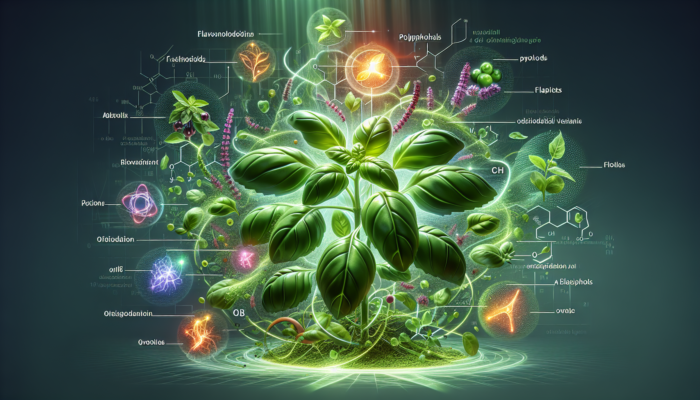
The robust supply of antioxidants found in basil forms the backbone of its immune-enhancing capabilities. These essential compounds play a crucial role in combating oxidative stress, which arises from an imbalance between free radicals and antioxidants in the body. This state of oxidative stress is linked to various health issues, including weakened immune function, positioning basil as a formidable partner in health preservation.
Basil is abundant in primary antioxidants such as flavonoids, polyphenols, and essential oils, which collectively work to mitigate the harmful effects of free radicals. Research has shown that these antioxidants efficiently neutralize free radicals, leading to reduced cellular damage and inflammation. A study published in the Journal of Medicinal Food underscored the significant antioxidant activity exhibited by basil extracts, emphasizing their potential in enhancing immune resilience.
Incorporating basil into your daily meals presents a delightful yet effective method to boost your antioxidant intake. Whether enjoyed fresh in salads or blended into a flavorful pesto, basil not only elevates the taste but also fortifies your body’s defenses against oxidative damage.
Discovering the Powerful Anti-inflammatory Effects of Basil for Immune Health
A critical aspect of basil's ability to enhance immunity is its strong anti-inflammatory properties. Chronic inflammation can significantly undermine the immune system, rendering the body more susceptible to infections and diseases. Basil contains a variety of bioactive compounds, such as eugenol, rosmarinic acid, and other volatile oils, known for their effectiveness in reducing inflammation.
Eugenol, in particular, has garnered extensive research attention for its anti-inflammatory effects. It operates by inhibiting the activity of pro-inflammatory enzymes, thereby alleviating the body's inflammatory response. This is crucial for maintaining optimal immune function, as excessive inflammation can hinder the body's ability to effectively combat pathogens.
Studies have demonstrated that regular consumption of basil can lead to decreased inflammation markers, thus fostering a balanced immune response. By making basil a staple in your meals, you are not only making a flavorful choice but also a strategic decision for sustaining your overall immune health.
Enhancing Immune Cell Functionality Through Basil Consumption
Basil's contributions to immune health extend to its remarkable ability to boost the functionality of immune cells. Research indicates that basil has the potential to increase both the production and effectiveness of various immune cells, including lymphocytes and macrophages. These cells play pivotal roles in identifying and neutralizing pathogens, thus safeguarding the body from infections.
The bioactive compounds present in basil, especially its essential oils, have been shown to stimulate the proliferation of these immune cells. For example, a study published in the *International Journal of Food Sciences and Nutrition* found that basil extracts significantly enhanced the activity of natural killer cells, a subtype of lymphocyte crucial for defending the body against viral infections and tumors.
Furthermore, basil's role in augmenting immune cell function can lead to improved responses to vaccinations and infections. By incorporating basil into your diet, you not only savor its culinary benefits but also unlock its potential to strengthen your immune system at a cellular level.
Unveiling the Nutritional Composition of Basil: Key Elements for Immune Health

To fully appreciate basil's role in enhancing immunity, it is essential to understand its nutritional profile. This herb serves as a garnish and a nutrient-dense powerhouse brimming with vitamins, minerals, and phytonutrients that collectively contribute to improved immune health. In this discussion, we will explore the vital components of basil that make it an indispensable addition to a health-conscious diet.
Critical Vitamins Present in Basil for Immune Function
Basil is abundant in numerous vitamins, particularly vitamins A, C, and K, which all play significant roles in supporting immune health. Vitamin A is crucial for maintaining the integrity of mucosal barriers, such as those found in the respiratory tract, which serve as the body's first line of defense against pathogens. Inadequate levels of vitamin A can lead to heightened susceptibility to infections.
Vitamin C, another important vitamin found in basil, is widely recognized for its immune-enhancing properties. It is vital for the production of white blood cells, which are instrumental in combating infections. Additionally, vitamin C acts as a powerful antioxidant, further aiding in the defense against oxidative stress.
Vitamin K is often overlooked but is essential for proper blood clotting and has been linked to improved immune function. It assists in regulating the inflammatory response within the body. By incorporating basil into your diet, you can significantly enhance your intake of these critical vitamins, thereby fortifying your immune response.
Essential Minerals Found in Basil to Support Immune Health
Beyond its vitamin content, basil is an excellent source of essential minerals that bolster overall immune function. Key minerals such as iron, calcium, and magnesium present in basil are crucial for various bodily processes, including the operation of the immune system.
Iron is particularly vital as it is a fundamental component of hemoglobin, the protein responsible for transporting oxygen in the blood. Maintaining adequate iron levels is essential for sustaining energy and supporting immune cell production. An iron deficiency can lead to anemia and compromised immunity, making it essential to incorporate iron-rich foods like basil into your diet.
While commonly associated with bone health, calcium also plays a significant role in immune function. It is involved in activating immune cells and producing antibodies. Additionally, magnesium assists in regulating the immune response and reducing inflammation, further enhancing the body's capability to fend off infections.
Incorporating basil into your meals is a simple yet effective way to enrich your diet with these vital minerals, promoting a robust immune system.
The Impact of Phytonutrients in Basil on Immune Health

Basil is also rich in phytonutrients, naturally occurring compounds that offer a variety of health benefits. These include flavonoids, phenolic acids, and volatile oils, which are significant for supporting the immune system.
Flavonoids, such as luteolin and apigenin, are recognized for their anti-inflammatory and antioxidant properties. They help mitigate oxidative stress and inflammation, which are critical factors in maintaining a healthy immune system. Phenolic acids, another category of phytonutrients found in basil, have demonstrated antibacterial and antiviral properties, further bolstering the body's defense mechanisms.
The volatile oils in basil, including eugenol and linalool, contribute to its distinctive aroma and provide health benefits. These oils possess antimicrobial properties that can help protect against infections. The diverse range of phytonutrients in basil highlights its capacity as a potent ingredient for enhancing immune health.
Incorporating Basil into Your Daily Routine: Practical Strategies for Immune Support
<pIntegrating basil into your daily routine is a practical and enjoyable way to harness its immune-boosting properties. This section will explore various methods for incorporating basil into your life, from culinary uses to supplementation and essential oils, showcasing how you can seamlessly introduce this remarkable herb into your lifestyle.
Adding Basil to Your Everyday Cooking for Flavor and Health
One of the most straightforward and enjoyable ways to benefit from basil's immune-boosting properties is to incorporate it into your meals. Basil's versatility allows it to enhance a variety of dishes, from vibrant salads to hearty soups and sauces. For example, fresh basil can provide a burst of flavor to salads, enriching both taste and nutritional value.
Basil pesto is another fantastic option. This delightful sauce blends basil with nuts, olive oil, and cheese, creating a delectable accompaniment for pasta or as a savory dip. Incorporating basil into soups not only enhances flavor but also infuses the dish with its beneficial properties.
If you enjoy cooking, experimenting with basil in various cuisines can expand your culinary horizons while delivering health benefits. For instance, adding basil to Thai or Mediterranean dishes can elevate both the taste and nutritional value of your meals. By making basil a staple in your cooking, you can effortlessly reap its immune-boosting rewards.
Evaluating the Effectiveness of Basil Supplements for Immune Support
For individuals who find it challenging to consume enough basil through their diet, basil supplements offer an alternative method to access its health benefits. Available in various forms, such as capsules, extracts, and powders, these supplements are designed to deliver concentrated doses of basil's active compounds.
Research indicates that basil supplements can enhance immune function, particularly for those with compromised immune systems. Studies suggest that basil extracts can stimulate the production of immune cells and improve their function. However, it is essential to select high-quality supplements that are standardized for their active ingredients to ensure their effectiveness.
Before starting any supplementation regimen, it is advisable to consult a healthcare professional who can guide you on the appropriate dosage and help assess individual health needs. This approach ensures that you can safely incorporate basil supplements into your routine to support immune health effectively.
Utilizing Basil Essential Oil for Enhanced Immune Support
Basil essential oil, extracted from the leaves of the basil plant, is another powerful tool for enhancing immunity through aromatherapy. This oil is celebrated for its antimicrobial and anti-inflammatory properties, making it a valuable addition to your wellness regimen.
Using basil essential oil in a diffuser can elevate the ambiance while providing immune support. Inhaling essential oils can stimulate the respiratory system and enhance overall well-being. Applying diluted basil oil topically may help alleviate inflammation and support skin health.
However, using essential oils safely is crucial. Always dilute basil essential oil with a carrier oil before applying it to the skin, and consult an expert if you are uncertain about its application. By integrating basil essential oil into your self-care practices, you can enjoy its benefits for immunity and overall health.
Scientific Research Supporting Basil's Role in Immune Enhancement
As interest in basil's health benefits continues to grow, scientific research is unveiling its important role in enhancing immunity. This section reviews notable studies and clinical trials that highlight basil's effectiveness in boosting immune function, paving the way for future research directions.
Significant Studies on Basil's Immune-Boosting Effects
Numerous studies have underscored basil's immune-boosting properties. Research published in the Journal of Ethnopharmacology presents compelling evidence that basil extracts can enhance the immune response by increasing the activity of immune cells. The study demonstrated that basil could stimulate the production of cytokines, essential signaling molecules involved in the immune response.
Another important study published in the *Journal of Immunology* investigated the effects of basil on the immune system in animal models. The findings revealed that basil supplementation resulted in elevated levels of immunoglobulins, essential components of the immune system that aid in identifying and neutralizing pathogens. This research supports the idea that basil can be crucial in strengthening the body's natural defenses.
Such studies not only validate the traditional uses of basil in herbal medicine but also encourage further exploration into its potential applications in modern healthcare.
Clinical Trials and Their Valuable Findings
Clinical trials have also been conducted to assess the efficacy of basil in enhancing immune function among human subjects. One notable trial involved participants with compromised immune systems, including those undergoing chemotherapy. Results indicated that participants who incorporated basil extract into their regimen experienced improved immune cell activity and a reduction in infections compared to the control group.
Another clinical trial evaluated the effects of basil on respiratory health, particularly among individuals suffering from respiratory infections. Participants who regularly consumed basil reported fewer symptoms and a quicker recovery rate, reinforcing the herb's protective qualities against infections.
These clinical outcomes provide robust evidence that basil is beneficial in theory and effective in practical applications, particularly for those seeking to enhance their immune health.
Future Research Opportunities Surrounding Basil
Despite the promising findings regarding basil and immunity, there remains substantial potential for further research. Future studies could explore the specific compounds within basil that contribute to its immune-boosting effects, potentially leading to the development of targeted therapies or supplements.
Additionally, more extensive clinical trials with diverse populations could help establish definitive guidelines regarding the dosage and application of basil for optimal immune support. Investigating the synergistic effects of basil when combined with other immune-boosting foods or supplements could yield valuable insights.
As research continues to reveal the myriad benefits of basil, our understanding of its role in immunity will likely expand, offering even greater potential for harnessing this herb's healing properties.
Dispelling Myths and Clarifying Facts About Basil's Immune Benefits
Like many natural remedies, misconceptions about basil's immune-boosting properties are prevalent. This section aims to debunk common myths and present evidence-based facts regarding how basil contributes to immune health, providing a clearer understanding of its benefits.
Debunking Common Misconceptions About Basil
One prevalent myth is that basil is merely a culinary herb devoid of significant health benefits. While it is true that basil is primarily celebrated for flavoring dishes, dismissing it solely as a seasoning overlooks its potential as a powerful immune booster.
Another misconception is that consuming basil in large quantities is necessary to experience its health benefits. In reality, even a small amount of basil incorporated into a balanced diet can provide substantial immune support. The key lies in regular inclusion rather than excessive consumption.
Furthermore, some individuals believe that basil can replace conventional medical treatments for immune-related conditions. While basil can complement a healthy lifestyle and enhance immunity, it should not be viewed as a substitute for professional medical advice or treatment.
Evidence-Based Benefits of Basil for Immune Support
The evidence supporting basil's immune-boosting properties is steadily growing. Numerous studies have documented its antioxidant, anti-inflammatory, and immune-enhancing capabilities, establishing it as a valuable addition to a health-conscious diet.
Research consistently demonstrates that basil's bioactive compounds can help reduce oxidative stress and inflammation while enhancing the activity of immune cells. These evidence-based advantages emphasize basil's role not merely as a flavor enhancer but as a crucial component of a holistic approach to health.
By understanding the facts about basil, individuals can make informed choices about incorporating it into their diets for optimal immune support.
Expert Insights and Recommendations on Basil for Immune Health
Nutritionists and health experts widely recognize basil's benefits for immune health. Many recommend including fresh basil in daily meals as a simple yet effective strategy to boost immunity. Experts emphasize the significance of dietary variety, and basil's rich nutrient profile makes it a valuable addition.
Moreover, some health professionals advocate for basil supplements, particularly for individuals with specific health concerns or dietary restrictions that may limit their intake of fresh basil. Consulting with a healthcare provider can help individuals determine the best approach to incorporating basil into their wellness routines.
Overall, expert opinions reinforce the understanding that basil is more than just a culinary herb; it is a powerful ally in supporting immune health.
Diverse Varieties of Basil and Their Unique Immune Benefits
Not all basil varieties are created equal. Each variety offers distinct immune-boosting properties characterized by unique profiles of bioactive compounds. This section will explore different basil varieties, including holy basil, sweet basil, and others, emphasizing their specific contributions to immune health.
Holy Basil (Tulsi): A Powerful Ally for Immune Support
Holy basil, known as Tulsi, is highly regarded in Ayurvedic medicine for its diverse health benefits, particularly its immune-boosting properties. Tulsi is rich in eugenol, which provides significant anti-inflammatory and antioxidant effects.
Research suggests that holy basil can enhance the body's resistance to stress and infections, making it an invaluable herb for maintaining immune health. Studies indicate that regular consumption of holy basil can improve immune cell activity and reduce the frequency of respiratory infections.
Incorporating holy basil into your diet can be achieved through teas, capsules, or as a fresh herb in various meals. Its unique flavor profile pairs well with numerous dishes, providing both culinary delight and health benefits.
Sweet Basil: A Culinary Staple with Immune Benefits
Sweet basil, the most commonly used variety in Western cuisine, also boasts considerable health advantages. Rich in antioxidants and essential oils, sweet basil contributes to immune health through its anti-inflammatory effects and its ability to combat oxidative stress.
The high levels of vitamin K and other nutrients found in sweet basil further enhance its role in supporting immune function. Studies suggest that consuming sweet basil can help improve overall health, particularly in maintaining a robust immune system.
Sweet basil is readily accessible and can be easily integrated into various dishes, from pasta to sauces, making it an excellent choice for those looking to boost their immunity.
Exploring Other Basil Varieties and Their Unique Effects
In addition to holy and sweet basil, several other varieties offer unique health advantages. Thai basil, commonly used in Southeast Asian cuisine, possesses distinct essential oils with antimicrobial properties.
Lemon basil, recognized for its refreshing citrus aroma, also contains antioxidants that can support immune health. Each basil variety enhances your diet with diverse flavors and health benefits.
Exploring different basil types not only adds excitement to your meals but also allows you to tap into their unique immune-boosting properties.
Integrating Basil into Your Lifestyle for Optimal Immune Support
Incorporating basil into your lifestyle is an effective strategy for enhancing your immune health. This section offers practical suggestions for combining basil with other immune-boosting foods, utilizing it in traditional medicine, and adapting its use seasonally to maintain optimal immune function throughout the year.
Enhancing Dishes with Basil and Other Immune-Boosting Foods
Combining basil with other immune-boosting foods can amplify its health benefits. For instance, pairing basil with garlic, renowned for its antimicrobial properties, creates a powerful combination that can enhance overall immune function.
Incorporating basil into dishes alongside vitamin C-rich foods, such as bell peppers or citrus fruits, can further bolster immune health. The synergistic effects of combined nutrients can strengthen the immune system, providing comprehensive support.
Additionally, when combined with other herbs and spices, such as turmeric or ginger, basil can yield flavorful dishes rich in immune-boosting compounds. This approach not only enhances the flavor of your meals but also maximizes health benefits.
Basil's Historical Role in Traditional Medicine
Basil has been utilized in traditional medicine systems for centuries, particularly in Ayurveda and traditional Chinese medicine. In these practices, basil is often recommended for its ability to balance the body's energies and support immune function.
In Ayurvedic medicine, holy basil is regarded as a sacred herb that promotes overall health and well-being. Its adaptogenic properties assist the body in coping with stress, which is essential for maintaining a strong immune system.
Exploring basil's traditional applications can provide valuable insights into its potential uses in contemporary wellness practices. Incorporating basil into your health regimen can offer a holistic approach to immune support.
Seasonal Adaptation of Basil for Consistent Immune Health
Adjusting your use of basil to align with seasonal changes can help sustain immunity throughout the year. Fresh basil can be easily incorporated into salads and light dishes during warmer months, as its cooling properties assist the body in managing heat and stress, promoting overall wellness.
In colder months, consider using dried basil in soups and stews, which can provide warmth and comfort while delivering immune benefits. Additionally, brewing basil in herbal teas can be soothing and support your immune system during winter.
By being mindful of basil's seasonal availability and applications, you can enjoy its health benefits year-round, ensuring that your immune system remains robust and resilient.
Common Inquiries About Basil and Its Immune Benefits
What is the Recommended Daily Intake of Basil for Immune Support?
A daily intake of 2-3 tablespoons of fresh basil can provide significant health benefits. However, individual needs may vary, so it's advisable to incorporate it into a balanced diet.
Can Basil Assist with Specific Immune Conditions?
While basil may support immunity, it is not a cure for particular conditions. It can complement treatments for respiratory infections and inflammation, enhancing overall wellness.
Is Basil Safe for All Individuals?
Basil is generally safe for most people. However, those with specific allergies or those on certain medications should consult a healthcare provider before using basil for immune health.
Can I Substitute Dried Basil for Fresh Basil in Recipes?
Yes, dried basil retains many health benefits, although fresh basil may offer higher levels of specific nutrients. Both forms can effectively enhance immunity in your diet.
Are There Any Side Effects Associated with Consuming Basil?
Basil is safe for most individuals, but excessive consumption may lead to digestive issues. It is best enjoyed in moderation, and consulting a doctor is advisable if you have any uncertainties.
What is the Best Method to Store Fresh Basil?
Fresh basil can be stored in a glass of water like a bouquet or wrapped in a damp paper towel and placed in the refrigerator. This method helps maintain its freshness and flavor.
Is Ingesting Basil Essential Oil Safe?
Basil essential oil is potent and should not be ingested without guidance from a qualified health professional. It is best used for aromatherapy or topical application.
Does Holy Basil Provide Greater Immune Support Compared to Sweet Basil?
Holy basil (Tulsi) is often considered more effective for immunity due to its higher concentration of eugenol and other beneficial compounds, although both varieties offer health advantages.
Can I Grow Basil at Home for Fresh Use?
Absolutely! Basil is easy to cultivate at home, whether in a garden or pots. Growing your basil ensures a fresh supply for culinary and health benefits.
Does Cooking Basil Affect Its Nutritional Value?
Cooking basil can diminish some of its nutritional content, particularly its vitamins. However, it still retains many beneficial compounds and can enhance the flavor of various dishes.
Connect with us on Facebook!
The Article: Basil Boosts Immunity: Discover Nature’s Hidden Benefits appeared first on https://mcrtherapies.co.uk



This exploration of basil’s immune-enhancing properties is not only timely but also crucial, especially as more individuals seek natural ways to bolster their health amidst rising concerns over diet-related diseases and the efficacy of conventional medicine. It’s fascinating to consider how a herb so readily available in our kitchens can wield such significant health benefits. I would argue that the conversation around herbs like basil reflects a broader cultural shift towards seeking holistic and preventive health measures rather than purely reactive ones.
You make an excellent point about the shift towards using natural remedies. It’s a bit wild, really, to think that a simple herb can pack such a punch in terms of health benefits. Basil sitting at the forefront of this conversation is almost like the unexpected hero of the culinary world, right next to its buddy, olive oil, plotting world domination one dinner at a time.
“To further explore the incredible health benefits of basil and discover practical ways to incorporate this powerhouse herb into your daily routine, check out our comprehensive guide here!”
https://mcrtherapies.com/SmoothieRecipes