










Understanding the Role of Acupuncture in Fitness Recovery in the UK
What Exactly is Acupuncture and How Does It Work?

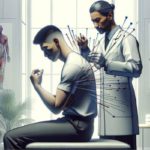
Acupuncture for workout recovery is a revered technique rooted in traditional Chinese medicine, which has steadily gained popularity in the UK, especially among fitness enthusiasts. This holistic practice involves the insertion of fine needles into specific points on the body, referred to as acupoints, to stimulate the natural flow of energy, or *Qi*. The primary goal of acupuncture is to restore balance, alleviate discomfort, and promote overall well-being, making it a preferred choice for individuals seeking effective strategies for post-exercise recovery. Some of the most commonly utilised acupuncture points in the UK include:
- LI4 (Hegu) – situated on the hand, known for its effectiveness in providing pain relief
- ST36 (Zusanli) – located on the lower leg, supports digestion and boosts energy levels
- SP6 (Sanyinjiao) – found on the inner leg, particularly beneficial for stress relief
- GB34 (Yanglingquan) – located on the outer leg, assists in alleviating muscle tension
- BL23 (Shenshu) – situated on the lower back, promotes kidney health and enhances energy
- TH5 (Waiguan) – located on the wrist, aids in reducing inflammation
- HT7 (Shenmen) – found on the wrist, excellent for calming the mind and relieving anxiety
- PC6 (Neiguan) – on the inner forearm, helps alleviate symptoms of nausea and anxiety
This combination of acupuncture points is often customised to meet the specific needs of each individual, enhancing recovery from demanding physical exertion.
Exploring the Historical Journey of Acupuncture in the UK
The introduction of acupuncture to the UK can be traced back to the 1970s, a time when it started to gain recognition as a credible alternative therapy. Initially met with scepticism, its efficacy began to attract attention, especially among athletes and fitness aficionados who were in search of methods to boost their performance and recovery processes. Over the years, acupuncture has matured within the UK healthcare framework, transitioning from a general wellness alternative to a targeted approach for sports recovery. This evolution has been bolstered by the establishment of reputable bodies such as the British Acupuncture Council (BAcC), which has played a pivotal role in standardising practices and ensuring practitioner qualifications.
The accumulation of anecdotal evidence from athletes has further propelled acupuncture into the realm of mainstream acceptance. As more individuals reported experiencing diminished soreness and quicker recovery times post-exercise, the demand for qualified acupuncturists surged, resulting in the establishment of numerous clinics and training programmes throughout the nation.
How Does Acupuncture Enhance Post-Workout Recovery?
Acupuncture presents a multitude of benefits for recovery after exercise, significantly improving an athlete’s performance and overall fitness journey. By stimulating specific acupoints, acupuncture can enhance blood circulation, facilitating improved delivery of oxygen and nutrients to fatigued muscles, thus promoting accelerated healing. This is particularly valuable following intense workouts, where muscle fatigue and soreness can linger and impede an athlete’s ability to train effectively.
Moreover, acupuncture serves to diminish inflammation, a common concern among many athletes. By modulating inflammatory responses, it alleviates discomfort and pain, enabling a more efficient recovery process. Additionally, acupuncture promotes relaxation and reduces stress, both of which are essential for athletes who require mental clarity and focus during training and competitions. In summary, acupuncture can act as a comprehensive tool in an athlete’s recovery arsenal, integrating seamlessly with established fitness regimens to enhance performance outcomes.
Authoritative Insights on Acupuncture's Role in Workout Recovery
What Insights Do UK Sports Therapists Offer on Acupuncture?
Sports therapists in the UK increasingly advocate for acupuncture due to its significant advantages in treating sports-related injuries and enhancing recovery. Professionals in this field have observed a notable improvement in recovery times among athletes who incorporate acupuncture into their post-exercise routines. For example, renowned sports clubs in major cities like London and Manchester report that they have integrated acupuncture as a vital component of their rehabilitation programmes.
Real-life testimonies from prominent UK athletes who have publicly endorsed acupuncture abound. Numerous footballers, runners, and cyclists attribute their successful recoveries from injuries to acupuncture, crediting the practice for helping them return to their routines with less soreness and improved flexibility. Their personal accounts underscore the effectiveness of acupuncture as both a preventive and remedial approach, solidifying its role within UK sports recovery protocols.
The consensus among sports therapists is that acupuncture not only addresses immediate physical issues but also creates an environment conducive to long-term fitness improvements. By incorporating acupuncture into regular recovery regimes, athletes can experience fewer injuries and enhanced overall performance.
How Can Athletes Seamlessly Integrate Acupuncture into Their Training Routines?
Integrating acupuncture into a training regimen can be a straightforward yet impactful decision for athletes aiming to optimise their recovery processes. The key lies in developing a personalised schedule that aligns with each athlete's specific workout routine and recovery requirements. Post-workout sessions are highly recommended as they address muscle soreness and fatigue immediately following intense physical activity, allowing the body to recuperate more effectively and prepare for subsequent training sessions.
Athletes should consider booking regular acupuncture appointments on a weekly or bi-weekly basis, especially during periods of intense training or in the lead-up to competitions. This proactive approach ensures that the body remains well-maintained and that minor injuries or discomforts are addressed before they escalate into more serious issues.
To facilitate this integration, athletes can take actionable steps, such as consulting with their sports therapist to ascertain the best timing for appointments, researching local practitioners who specialise in sports recovery, and possibly attending group sessions offered by fitness centres or clubs. This proactive approach can significantly enhance an athlete's training and recovery processes.
What Are the Latest Innovations in Acupuncture Practices in the UK?

Recent trends in the UK acupuncture landscape indicate a significant shift towards innovative and integrative practices that cater to the needs of contemporary athletes. One notable trend is the emergence of electroacupuncture, which combines traditional needle acupuncture with electrical stimulation to accelerate recovery. This method has gained popularity among athletes seeking faster recovery, as it can target deeper muscle tissues and promote quicker healing.
Furthermore, many practitioners are now incorporating acupuncture into holistic wellness programmes that emphasise not just physical recovery but also mental well-being. This approach proves particularly advantageous in high-pressure sports environments where mental resilience plays a crucial role in performance outcomes.
Another emerging trend involves collaboration between acupuncturists and fitness professionals, who conduct workshops and seminars aimed at educating athletes about the myriad benefits of acupuncture. These initiatives seek to demystify the practice and encourage more athletes to explore its potential advantages. This convergence of disciplines highlights the growing recognition of acupuncture as an essential component of a well-rounded athletic programme within the UK.
Acupuncture Applications Tailored for Various Sports
Acupuncture Techniques Beneficial for Runners in the UK
For runners, acupuncture emerges as a valuable resource for alleviating common concerns such as knee and hip pain while enhancing overall muscle recovery. Specific acupuncture points targeted during sessions for runners include LI4, which aids in relieving pain and tension, and ST36, recognised for its ability to enhance energy and improve recovery processes.
Practitioners may focus on GB34, particularly effective for treating strains that are commonplace among runners. Meanwhile, the BL23 point can be utilised to bolster kidney function, contributing to an athlete's overall stamina and endurance.
Incorporating acupuncture into a runner's routine can yield significant performance enhancements. Many runners report increased agility and a reduced propensity for injuries following regular sessions, enabling them to sustain higher training volumes without the frustration of prolonged recovery periods. This targeted approach not only aids in injury prevention but also fosters a more enjoyable running experience.
Acupuncture Benefits for Weightlifters
Weightlifters in the UK frequently turn to acupuncture as a means of minimising muscle strain and enhancing recovery times. The physical demands associated with weightlifting can lead to soreness and fatigue, making effective recovery strategies essential. Acupuncture can specifically target areas prone to strain, such as the shoulders, back, and knees.
Practitioners often focus on points like GB34, which promotes muscle recovery, and SP6, known for alleviating overall fatigue and encouraging relaxation after intense lifting sessions. By stimulating these points, acupuncture not only supports muscle repair but also enhances joint stability, which is crucial for weightlifters aiming to maximise their performance while minimising injury risks.
Integrating acupuncture into a weightlifting regimen can significantly enhance workout performance, enabling athletes to push their limits while safeguarding their physical health. This combination of recovery and performance enhancement positions acupuncture as a critical element in the training routines of dedicated weightlifters.
Acupuncture Solutions for Cyclists
Cyclists in the UK often utilise acupuncture to address back and leg pain, both of which can significantly impede performance. Specific acupuncture points targeted for cyclists include BL23, which supports lower back health and alleviates tension, and ST36, which can boost energy levels for longer rides.
Additionally, the GB34 point is particularly relevant for cyclists, as it aids in enhancing leg muscle flexibility and recovery, essential for optimal cycling performance. By focusing on these points, cyclists can effectively manage pain and sustain endurance, allowing them to ride longer and more efficiently.
Regular acupuncture sessions can be especially beneficial following long rides, helping to reduce muscle soreness and promote quicker recovery. Consistent treatment can also assist cyclists in staying injury-free, ensuring they can train and compete at their best consistently.
Acupuncture for Swimmers' Recovery
For swimmers, acupuncture plays a pivotal role in alleviating shoulder and neck tension, which often arises from repetitive stroke techniques. Specific acupuncture points beneficial for swimmers include LI4 for pain relief and HT7, which can help to calm the mind and ease anxiety prior to competitions.
Targeting the TH5 point can assist in reducing shoulder joint inflammation, a common concern for swimmers who frequently experience discomfort. Additionally, the PC6 point can help relieve tension in the forearms, enabling smoother, more efficient strokes in the water.
Incorporating acupuncture into a swimmer's recovery regimen can enhance performance and accelerate recovery between workouts. Many swimmers report feeling less fatigued and more relaxed after sessions, allowing them to focus on their technique rather than discomfort.
Acupuncture for Footballers' Injury Management
Footballers in the UK often reap the benefits of acupuncture for managing ankle and knee injuries, which are prevalent in the sport. Specific acupuncture points employed include ST36 for overall recovery and GB34 for providing support to the knees. Furthermore, BL23 can assist with lower back issues that may arise from the physical demands of the game.
The efficacy of acupuncture lies in its capability to not only alleviate pain but also enhance circulation and promote healing in injured areas. Many footballers have reported a noticeable decrease in recovery times post-injury when they incorporate acupuncture into their rehabilitation protocols.
Regular acupuncture sessions can serve as a preventive strategy, helping players maintain fitness and readiness for training and matches. Consequently, acupuncture has become an integral component of numerous football clubs’ health and wellness programmes, aiding players in sustaining peak performance levels throughout the season.
Evidence-Based Benefits of Acupuncture for Post-Exercise Recovery
What Do Recent UK Studies Reveal About Acupuncture?
Recent research conducted in the UK has demonstrated that acupuncture effectively reduces post-exercise muscle soreness and enhances overall recovery. Studies indicate that athletes utilising acupuncture experience a significant decrease in recovery times, allowing them to return to their training routines more swiftly than those who do not incorporate this practice.
Thorough analyses have revealed that acupuncture not only alleviates pain but also improves muscle function, which is essential for athletes engaged in rigorous training. Expert commentary from leading sports therapists reinforces the compelling nature of these findings, highlighting acupuncture's role in both rehabilitation and performance enhancement.
The integration of acupuncture into recovery programmes has gained traction, reflecting a growing recognition of its benefits. As more athletes and sports professionals share their positive experiences, acupuncture is increasingly acknowledged as a scientifically supported method for enhancing athletic recovery.
How Effective is Acupuncture in Controlling Inflammation?
Acupuncture effectively reduces inflammation by stimulating the body’s natural anti-inflammatory responses. This mechanism is particularly advantageous for athletes who frequently encounter inflammation due to intensive training and competition. By targeting specific acupoints, acupuncture can improve blood flow and promote healing, thereby facilitating quicker recovery from workouts.
Moreover, the acupuncture process can help trigger the release of endorphins and other neurochemicals that contribute to pain relief and inflammation reduction. Athletes who incorporate acupuncture into their routines often report decreased swelling and discomfort, enabling them to engage more effectively in their training.
This proactive approach to managing inflammation aligns closely with athletes' needs for sustained performance, making acupuncture an invaluable component of any comprehensive recovery strategy.
Can Acupuncture Significantly Enhance Athletic Performance?
Numerous athletes in the UK have reported notable improvements in their performance following regular acupuncture sessions, linking these benefits to enhanced recovery and reduced fatigue. The positive correlation between acupuncture and performance enhancement is largely attributed to its ability to facilitate faster recovery and alleviate pain, allowing athletes to train harder and more consistently.
Athletes who integrate acupuncture into their routines frequently experience increased flexibility, improved range of motion, and reduced muscle tightness, all of which contribute to better overall performance.
Additionally, the mental clarity and reduced anxiety that acupuncture can provide are crucial for optimal performance, especially in high-pressure situations such as competitions. As more athletes seek holistic methods to optimise their training and competitive performance, acupuncture emerges as a proven ally in their quest for excellence.
Selecting the Right Acupuncturist in the UK
What Qualifications Should You Seek in an Acupuncturist?
When searching for an acupuncturist in the UK, it is vital to seek practitioners registered with the British Acupuncture Council (BAcC). This accreditation ensures that practitioners adhere to stringent professional standards, including comprehensive training and ethical guidelines.
Additionally, consider acupuncturists with specialised training in sports acupuncture, as they possess the expertise to address the unique recovery needs of athletes. A qualified practitioner will also demonstrate a commitment to ongoing education, keeping abreast of the latest research and techniques in the field.
Choosing an acupuncturist with the appropriate qualifications not only guarantees a safe and effective treatment experience but also establishes trust and authority, essential for fostering a successful therapeutic relationship.
How to Select an Acupuncturist Focused on Sports Recovery?
Selecting an acupuncturist with experience in treating athletes and sports-related injuries is crucial for maximising the benefits of acupuncture in workout recovery. Begin by researching practitioners affiliated with sports clinics or health centres that specialise in sports medicine.
Recommendations from sports professionals, coaches, or fellow athletes can also be invaluable in identifying qualified acupuncturists who specialise in sports recovery. During initial consultations, inquire about their experience with specific injuries or conditions relevant to your sport, as this will provide insight into their expertise.
Ultimately, the right acupuncturist will not only possess the necessary qualifications but will also understand the unique demands of your sport, enabling them to tailor treatments effectively to support your recovery and performance aspirations.
What Can You Expect During Your First Acupuncture Session?
During your first acupuncture session, anticipate a thorough consultation that delves into your health history, fitness levels, and specific recovery objectives. This initial assessment is crucial for the practitioner to formulate a customised treatment plan that addresses your individual concerns.
The practitioner will conduct a detailed examination, which may include evaluating your posture and flexibility. Following this, they will explain the acupuncture process and outline what you can expect during the treatment. It is common for practitioners to focus on a select few targeted points initially to assess your response to the treatment.
After the acupuncture session, you may experience immediate relief or a gradual improvement in your symptoms over the following days. Practitioners often provide recommendations for follow-up sessions to ensure your recovery process remains on track.
The Role of Acupuncture in UK Sports Clubs
How Are UK Sports Clubs Embracing Acupuncture?
A growing number of UK sports clubs are beginning to recognise the advantages of acupuncture, incorporating it into their athlete recovery programmes. This shift reflects an increasing understanding of the role that acupuncture can play in reducing injuries and enhancing performance, particularly in high-stakes sports environments.
Clubs located in cities such as London and Manchester have forged partnerships with qualified acupuncturists who specialise in sports recovery, providing athletes with convenient access to treatment. These services often form part of comprehensive wellness programmes that may include physiotherapy, massage, and nutritional guidance, further enhancing overall athlete health.
By integrating acupuncture into their recovery protocols, sports clubs not only invest in their athletes' well-being but also cultivate a culture of proactive health management, which can lead to improved performance outcomes on the field.
What Success Stories Have Emerged from UK Sports Clubs?
Numerous UK sports clubs have shared compelling success stories of athletes who have experienced quicker recovery times and improved performance following acupuncture treatments. From football clubs to cycling teams, many athletes have reported a significant reduction in injury downtime, enabling them to resume their training regimens sooner.
For instance, a professional football club in Manchester highlighted that several players credited acupuncture with aiding their swift recovery from ankle sprains, allowing them to participate in crucial matches. Similarly, a cycling team shared testimonials from riders who noted enhanced endurance and reduced muscle tension after incorporating regular acupuncture sessions into their training schedules.
These success stories not only validate the effectiveness of acupuncture but also serve as powerful endorsements that encourage other athletes within these clubs to explore similar treatment options.
How Can Individuals Access Acupuncture Through Their Sports Clubs?
Individuals seeking acupuncture services often find accessibility through their sports clubs, which frequently offer these treatments as part of their wellness programmes. Many clubs have established partnerships with qualified acupuncturists, allowing members to benefit from discounted rates or package deals.
To access these services, members can inquire with their club’s health and wellness department or consult their coaches for recommendations on the best practitioners available. Additionally, some clubs may host on-site acupuncture sessions or workshops, providing athletes with an excellent opportunity to try treatments in a familiar setting.
By utilising club resources, athletes can seamlessly integrate acupuncture into their recovery routines, thereby enhancing their overall training experience.
What Training Do Acupuncturists in UK Sports Clubs Receive?
Acupuncturists operating within UK sports clubs often undergo specialised training in sports medicine and injury management, equipping them with the knowledge necessary to treat athletes effectively. This training typically emphasises common injuries and conditions that athletes encounter, along with the physical demands associated with various sports.
Many acupuncturists also pursue additional certifications in sports acupuncture, enabling them to apply advanced techniques tailored to meet athletes' unique needs. This specialised knowledge allows practitioners to develop targeted treatment plans that address specific concerns, ranging from muscle strains to joint injuries.
Overall, the training of acupuncturists in sports clubs aims to ensure that athletes receive high-quality care that not only promotes rapid recovery but also optimises their performance potential.
Effective Strategies for Maximising Acupuncture Benefits in Workout Recovery
What Are the Recommended Practices for Acupuncture Sessions?
To gain maximum benefits from acupuncture sessions, adhering to best practices is essential. Regular treatments tailored to your workout schedule will help maintain optimal muscle function and facilitate recovery. Athletes should aim for consistency, scheduling sessions either bi-weekly or weekly, particularly during periods of intense training or heightened competition.
Open communication with your acupuncturist regarding your training goals and any emerging issues is paramount. This enables them to customise their techniques and select the appropriate acupoints to address your specific recovery needs.
Additionally, maintaining a journal to document your progress and recovery experiences can provide valuable insights that inform your treatment plan. This proactive approach not only ensures that your acupuncture routine remains effective but also fosters a collaborative relationship with your practitioner.
How Frequently Should You Schedule Acupuncture for Optimal Recovery?
For optimal recovery, athletes are generally advised to consider weekly acupuncture sessions, particularly following intense workouts or competitions. This frequency allows for consistent monitoring of recovery needs and promptly addresses any accumulated muscle soreness or fatigue.
Signs that you may require more frequent sessions include persistent pain, prolonged soreness, or heightened stress levels that could negatively impact your performance. In such circumstances, adjusting your treatment schedule to accommodate these needs can enhance your overall recovery and improve performance outcomes.
Listening to your body and responding accordingly is key; maintaining an open dialogue with your acupuncturist can further ensure that you receive care tailored to your evolving needs.
What Complementary Therapies Enhance the Effects of Acupuncture?
Complementary therapies can significantly augment the benefits of acupuncture for workout recovery, creating a holistic approach to athlete health. Effective combinations may include:
- Massage therapy – alleviates muscle tension and promotes relaxation
- Physiotherapy – addresses specific injuries and enhances mobility
- Yoga – improves flexibility and mental focus
- Chiropractic care – aligns the spine and optimises overall body function
- Nutritional counselling – supports overall health and aids in recovery
- Stretching routines – enhance flexibility and reduce injury risk
- Meditation or mindfulness practices – promote mental clarity and stress reduction
- Cold therapy – reduces inflammation and muscle soreness
Incorporating these therapies alongside acupuncture can create a holistic recovery regimen that not only improves physical health but also enhances athletic performance, ensuring athletes remain at their best, both physically and mentally.
How Can Acupuncture Specifically Address Workout Injuries?
Acupuncture can effectively target specific workout injuries, such as muscle strains, joint pain, and overuse injuries, by promoting healing and reducing inflammation. For instance, in cases of muscle strain, acupuncture increases blood flow to the affected area, delivering essential nutrients that support recovery.
Additionally, by stimulating specific acupoints, acupuncture can help modulate pain and trigger the release of natural pain-relieving substances within the body. This dual action not only alleviates discomfort but also accelerates healing, enabling athletes to recover more efficiently.
For common workout-related injuries such as lower back pain or tendonitis, acupuncture can provide immediate relief and support long-term recovery strategies, making it an invaluable tool in injury management.
What Are the Long-Term Advantages of Acupuncture for Workout Recovery?
The long-term benefits of acupuncture for workout recovery extend beyond immediate pain relief, contributing to improved overall muscle function and resilience. Regular acupuncture sessions can enhance not only recovery times but also the body’s ability to withstand the rigours of training, leading to fewer injuries over time.
Athletes who engage in consistent acupuncture treatments often report improved joint health, greater flexibility, and an enhanced sense of well-being, all of which contribute to sustained performance gains. This holistic approach fosters not only physical resilience but also mental clarity, essential for maintaining focus in competitive situations.
Ultimately, the cumulative benefits of acupuncture can lead to a more fulfilling athletic journey, encouraging athletes to push their limits while minimising their injury risks.
Safety Measures and Regulations Surrounding Acupuncture in the UK
What Are the Established Safety Standards for Acupuncture in the UK?
The UK upholds stringent safety standards for acupuncture, ensuring that practitioners adhere to hygiene and ethical guidelines set forth by professional bodies such as the British Acupuncture Council (BAcC). Practitioners are required to follow rigorous training protocols and maintain a high standard of cleanliness in their treatment environments.
By registering with the BAcC, acupuncturists demonstrate their dedication to providing safe, effective treatments and to ensuring that patients receive care from qualified professionals. These standards encompass regular updates on best practices and ongoing professional development, reinforcing the importance of safety in acupuncture.
Such adherence to safety protocols not only fosters confidence among patients but also helps mitigate the risks associated with acupuncture treatments, making it a reliable choice for athletes seeking recovery options.
How Should You Report Any Adverse Effects of Acupuncture?
If you experience any adverse effects following acupuncture treatment, it is crucial to report them to your practitioner without delay. Open communication allows them to address any concerns and adjust treatment plans as necessary.
If the practitioner cannot resolve the issue, consider contacting the British Acupuncture Council (BAcC) for further investigation and support. The BAcC provides resources for patients and can assist in addressing safety and quality concerns.
Responsible reporting and communication are key components in maintaining a safe acupuncture practice, ensuring that practitioners can continually improve their methods and uphold the highest standards of care.
What Are the Legal Requirements for Practising Acupuncture in the UK?
To legally practice acupuncture in the UK, practitioners must complete accredited training programmes and register with a recognised professional body, such as the British Acupuncture Council (BAcC). This registration process includes meeting stringent educational requirements and adhering to ethical guidelines, ensuring that practitioners are well-equipped to provide safe and effective treatment.
Additionally, local authorities may impose specific licensing requirements that acupuncturists must satisfy to operate legally within their jurisdiction. This regulatory framework helps to protect the public and ensure that acupuncture practitioners maintain the highest professional standards.
Overall, these legal requirements contribute to a culture of safety and professionalism within the acupuncture community, instilling trust among patients seeking treatment for their workout recovery needs.
Cost Considerations and Accessibility of Acupuncture in the UK
What is the Average Cost of Acupuncture in the UK?
The cost of acupuncture in the UK varies, with sessions typically ranging from £40 to £80, depending on factors such as location, practitioner experience, and treatment type. In metropolitan areas like London, prices may be higher, whereas smaller towns might offer more affordable options.
Many practitioners provide initial consultations at reduced rates or package deals for multiple sessions, making acupuncture more accessible for athletes aiming to incorporate this treatment into their recovery regimen. It’s advisable to inquire about any available discounts or membership rates, particularly for individuals associated with sports clubs or wellness centres.
Ultimately, while costs can fluctuate, the potential benefits of acupuncture for workout recovery often justify the investment, especially for dedicated athletes seeking to optimise their performance.
Is Acupuncture Covered by UK Health Insurance?
Some UK health insurance plans cover acupuncture, particularly when recommended by a healthcare provider for specific conditions. However, coverage can differ significantly between various insurers and policies, making it essential to check the specifics of your plan before pursuing treatment.
Patients should inquire about the breadth of coverage, including whether it applies to sports-related injuries or general wellness treatments. Documenting recommendations or referrals from healthcare providers can also support claims for insurance coverage.
Understanding your health insurance policy's provisions regarding acupuncture can facilitate smoother access to treatment, enabling athletes to benefit from this valuable recovery modality without financial strain.
How Accessible is Acupuncture Throughout the UK?
Acupuncture is widely accessible across the UK, with practitioners available in most cities and many smaller towns, making it a viable option for workout recovery. The growing popularity of acupuncture has resulted in a surge of clinics, wellness centres, and sports clinics offering these services, catering to the increasing demand from athletes and fitness enthusiasts alike.
Many practitioners also provide mobile services, enabling them to treat clients in their homes or training facilities, further enhancing accessibility. Online platforms can assist individuals in finding local acupuncturists, making it easier to connect with qualified professionals in their communities.
This extensive availability ensures that athletes of all levels can access the benefits of acupuncture, effectively supporting their recovery and performance needs.
Frequently Asked Questions
What is Acupuncture?
Acupuncture is a traditional Chinese medicine technique involving the insertion of thin needles into specific points on the body to stimulate energy flow and promote healing.
How long does an acupuncture session typically last?
An acupuncture session usually lasts between 30 and 60 minutes, depending on the treatment plan and individual needs.
Is Acupuncture a painful experience?
Most individuals report minimal to no pain during acupuncture, as the needles used are extremely fine. Some may feel a slight prick or a tingling sensation.
How many acupuncture sessions will I require?
The number of sessions needed varies based on individual requirements and conditions, but many athletes find consistent benefits from weekly sessions during training periods.
Can Acupuncture help alleviate stress and anxiety?
Yes, acupuncture can effectively reduce stress and anxiety by promoting relaxation and enhancing overall well-being.
Is Acupuncture safe for everyone?
While acupuncture is generally safe, individuals with specific health conditions or concerns should consult with a healthcare provider before commencing treatment.
What should I wear to an acupuncture session?
It’s advisable to wear loose, comfortable clothing to allow easy access to your acupuncture points.
How can I find a qualified acupuncturist?
Look for acupuncturists registered with the British Acupuncture Council (BAcC) to ensure they meet professional standards and are qualified to provide care.
Can Acupuncture enhance my athletic performance?
Many athletes report improved performance after regular acupuncture sessions, attributing these benefits to enhanced recovery and reduced muscle soreness.
Is there scientific evidence supporting Acupuncture's effectiveness?
Yes, numerous studies suggest that acupuncture can effectively reduce muscle soreness and enhance recovery rates, particularly among athletes.
Connect with us on Facebook!
The Article: Acupuncture for Workout Recovery: UK’s Best Practices appeared first on https://mcrtherapies.co.uk


It’s interesting to see acupuncture gaining traction in the fitness community, especially here in the UK. I’ve dabbled in it myself after particularly intense workout sessions, and I’ve found that it really helps with muscle soreness and overall recovery. The idea of Qi and balancing energy might feel a bit foreign at first, but once you experience the benefits, it starts to make sense how interconnected our bodies can be.
It’s great to hear about your experience with acupuncture after intense workouts. Many people in the fitness community are starting to recognize how a practice rooted in ancient traditions can play a significant role in modern recovery strategies. It’s interesting how a method that seems so different at first—like the idea of Qi—can become valuable once you see the positive effects it has on your body.
I’ve found acupuncture to be incredibly beneficial for my workout recovery too, especially after intense training sessions. It seems fascinating how the practice taps into traditional Chinese medicine while gaining traction in fitness circles here in the UK.
It’s interesting to see acupuncture being highlighted as a tool for workout recovery, especially given the skepticism surrounding alternative therapies in fitness circles. I’ve personally dabbled in acupuncture for muscle tension and found that it complemented my recovery routine nicely, particularly when I was training for a marathon. However, I do wonder about the scientific backing behind these techniques, especially when it comes to data supporting their efficacy for recovery versus traditional methods like rest, hydration, and nutrition.
I’ve always found the concept of acupuncture intriguing, especially in the context of fitness recovery. It’s interesting how this age-old practice has found its place in modern wellness routines. Based on my own experience, I can attest to how acupuncture can alleviate muscle tension and boost recovery after intense workouts.
It’s great to hear about your positive experiences with acupuncture, especially in relation to fitness recovery. The way that traditional methods like acupuncture can blend seamlessly into modern wellness practices is fascinating. Many people overlook the wisdom embedded in these ancient healing techniques, opting instead for more contemporary solutions.
“I’m glad to hear about your positive experience with acupuncture! If you’re interested in exploring more about its benefits for recovery, check out this link for insights and tips.”
https://mcrtherapies.com/SmoothieRecipes
It’s fascinating to see acupuncture gaining traction within the fitness community in the UK. I’ve personally found that incorporating acupuncture into my recovery routine has made a noticeable difference in how I feel post-workout, especially after intense training sessions. It’s interesting how this ancient practice resonates so well with modern fitness philosophies focused on holistic well-being.
I found your insights on acupuncture and its role in workout recovery particularly engaging. Having been an avid runner for several years, I experienced firsthand how essential recovery is to maintaining performance and preventing injuries. I used to rely solely on conventional methods like stretching and rest, but I began to explore complementary therapies, including acupuncture, after encountering persistent muscle soreness and fatigue.
Ah, acupuncture for workout recovery, a subject that’s as intriguing as it is needle-y! I’ve recently dabbled in this ancient art – and let me tell you, it’s an experience! The first time I stepped into an acupuncture clinic, I half expected to walk into a cozy tea house instead of a treatment room. I mean, who knew I’d be lying on a table with pins peppered across my back, contemplating life choices like “should I have gone for that yoga class instead?”
I’ve always been intrigued by acupuncture’s role in recovery, especially after intense workouts. I started incorporating it into my routine a few months ago, and I’ve noticed significant benefits like reduced soreness and improved energy levels. It’s fascinating how such an ancient practice can complement modern fitness.
Your insights on acupuncture for workout recovery truly resonate with me. Having been involved in fitness for several years, I’ve often struggled with post-exercise fatigue and muscle soreness. While traditional methods like stretching and hydration have been staples in my recovery routine, I’ve recently been exploring alternative therapies.